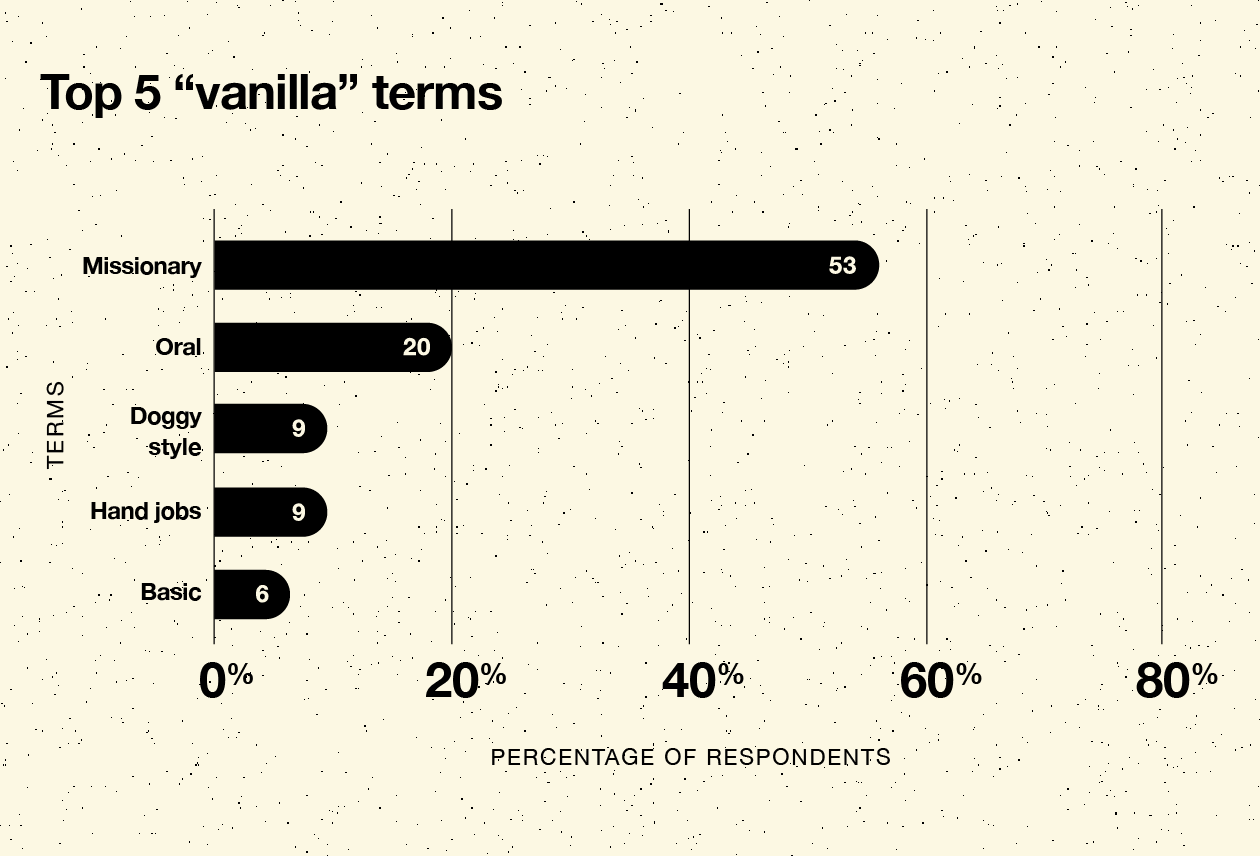
What Does Vanilla Mean In Sex Is It Bad To Have ? Youtube
Play Now what does vanilla mean in sex deluxe online video. No subscription costs on our viewing hub. Delve into in a ocean of videos of themed playlists ready to stream in best resolution, the ultimate choice for dedicated streaming geeks. With contemporary content, you’ll always keep abreast of. Explore what does vanilla mean in sex preferred streaming in breathtaking quality for a truly enthralling experience. Sign up today with our digital stage today to get access to special deluxe content with 100% free, registration not required. Get frequent new content and explore a world of rare creative works intended for elite media devotees. This is your chance to watch distinctive content—download quickly! See the very best from what does vanilla mean in sex unique creator videos with amazing visuals and selections.
Both do and does are present tense forms of the verb do We’ve put together a guide to help you use do, does, and did as action and auxiliary verbs in the simple past and present tenses. Which is the correct form to use depends on the subject of your sentence
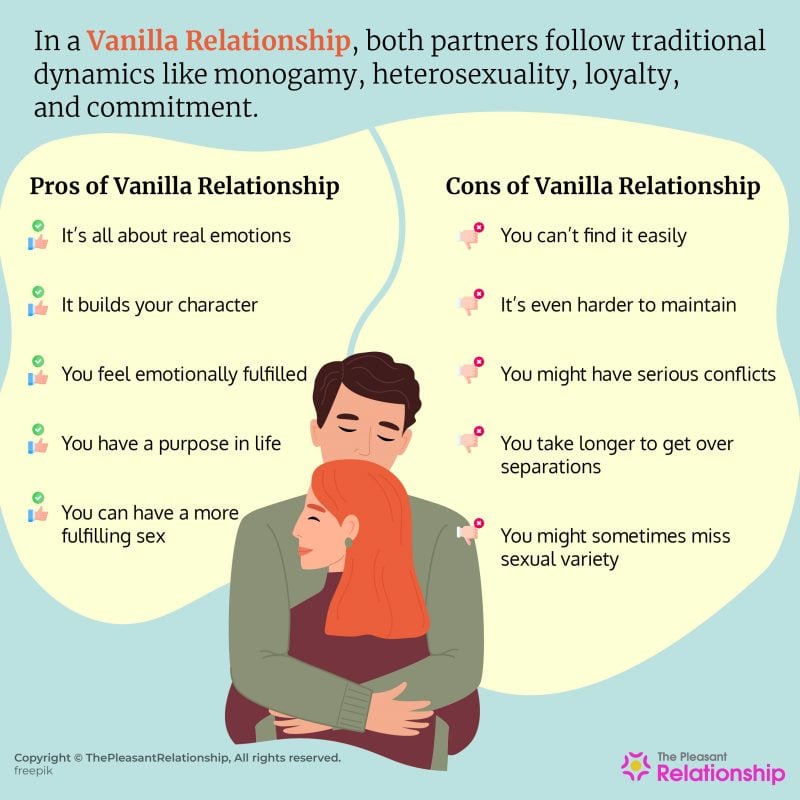
Vanilla Relationship - Definition, Pros & Cons, How to Make It Interesting?
In this article, we’ll explain the difference between do and does, cover when and how to use each form, and provide examples of how they’re used in sentences. If you found this grammar guide about do and does in english useful, let others know about it. Get a quick, free translation
He/she/it form of do 2
He/she/it form of do 3 Present simple of do, used with he/she/it Many users have written to us asking whether don't or doesn’t is correct in a particular sentence, or asking what the difference between don't and d Definition of does verb in oxford advanced learner's dictionary
Meaning, pronunciation, picture, example sentences, grammar, usage notes, synonyms and more. Does in british english (dʌz ) verb (used with a singular noun or the pronouns he, she, or it) a form of the present tense (indicative mood) of do 1 ‘do,’ ‘does,’ and ‘did’ are versatile auxiliary verbs with several key functions in english grammar They are primarily used in questions, negations, emphatic statements, and short answers.
Master 'do vs does' with this easy guide
Learn the rules, see real examples, and practice with our comparison chart See our notes about the difference between do, does, did and done